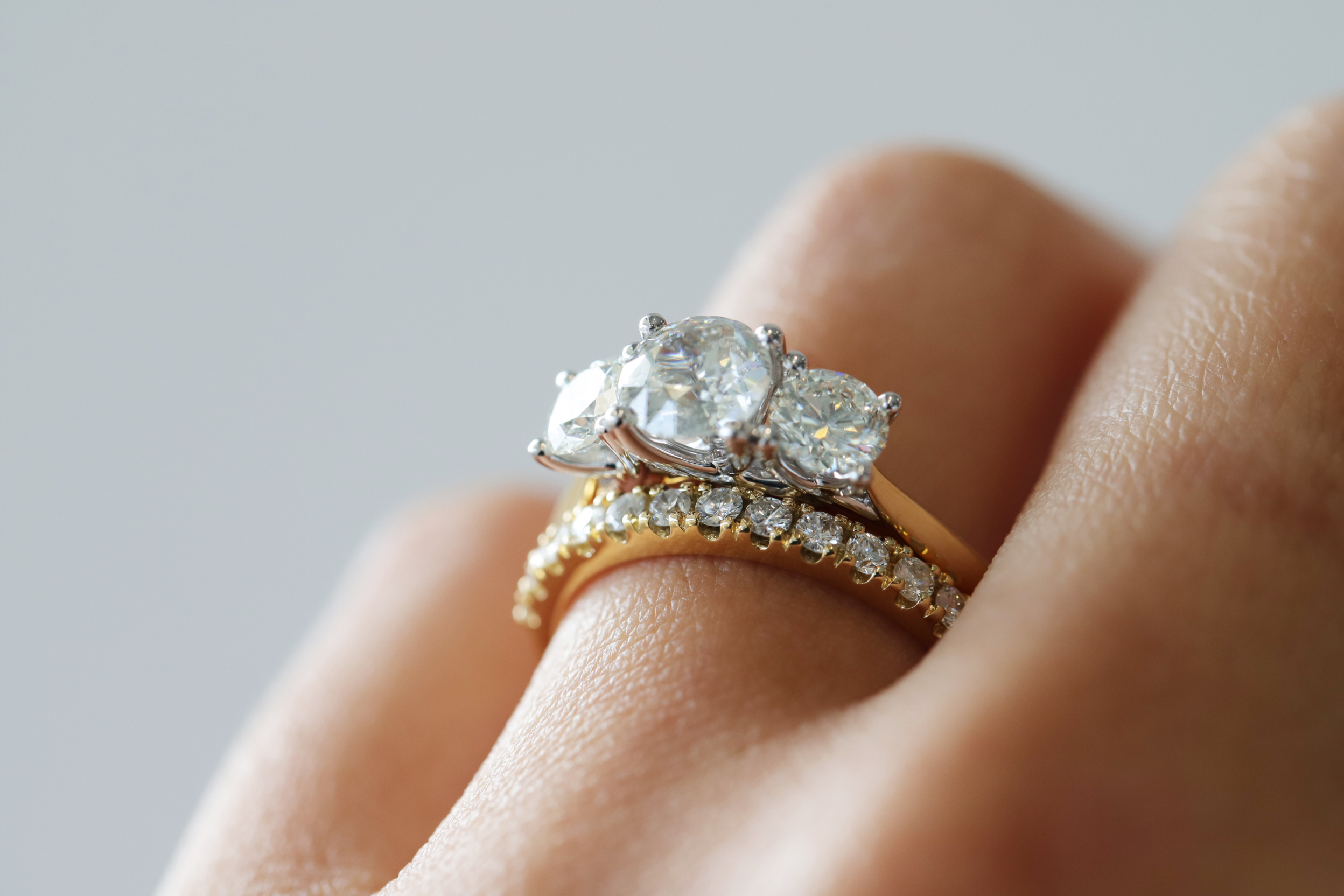
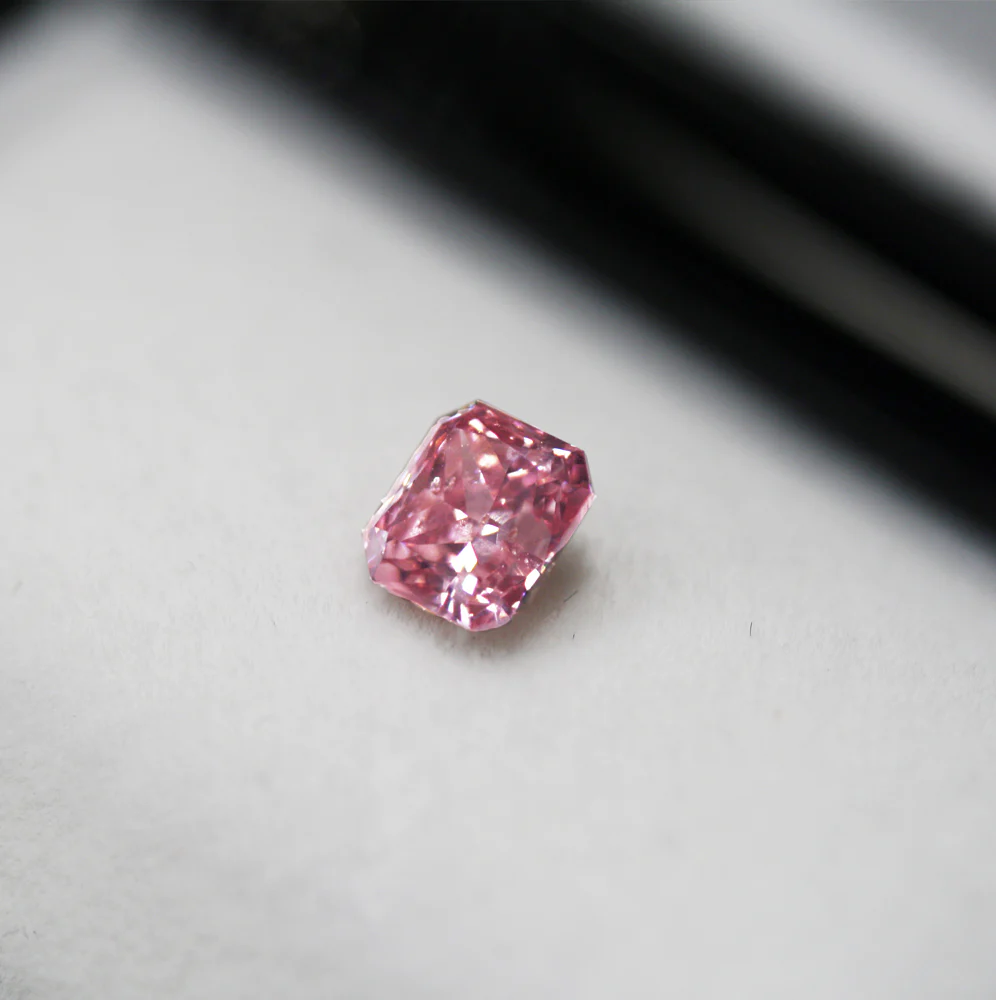
On the bench in front of me, under a bright lamp, sat a small, dazzling stone that caught the light in a dozen different ways. “That,” said the jeweller, “is a lab grown diamond — fresh from the cutter.”
To be honest, I didn’t expect to be that mesmerised. I’ve always thought of diamonds as timeless and untouchable — mined from deep within the earth, carrying that sense of ancient mystique. But as it turns out, the brilliance of a diamond doesn’t depend on its birthplace. It’s all in the cut.
And when it comes to lab grown diamonds cuts, there’s a fascinating world of artistry, science, and sustainability unfolding right now — a quiet revolution reshaping how we think about luxury.
Table of Contents
What Makes a Diamond’s Cut So Important?
You might not know this, but the “cut” of a diamond isn’t about its shape — not exactly. The shape is what you see at a glance: round, oval, pear, cushion, and so on. The cut, though, is what makes it come alive.
A diamond’s cut determines how light travels through it — how it sparkles, flashes, and dances when it catches the sun. Too shallow, and it leaks light from the sides. Too deep, and it dulls the brilliance. But get it just right, and it’s like capturing lightning in stone.
Whether it’s mined or lab grown, a diamond’s magic really lies in those tiny, mathematical decisions made by the cutter’s hand.
The Rise of Lab Made Diamonds — and Why They’re Changing Everything
For decades, natural diamonds ruled the market, and with good reason. They were rare, beautiful, and emotionally charged — the ultimate symbol of love, success, and commitment. But there’s always been a shadow behind that brilliance: environmental damage, ethical concerns, and complex global supply chains.
Then came a breakthrough that changed the game — scientists discovered how to replicate the natural diamond-growing process in a controlled environment. That’s how lab made diamonds were born.
What’s wild is that they’re not “fake” or “synthetic” in the old sense. They’re chemically and structurally identical to mined diamonds — same carbon atoms, same crystal structure, same sparkle. The only difference? Their origin story.
You can read a bit more about how they’re transforming the jewellery world here: lab made diamonds. It’s honestly incredible how technology and craftsmanship are coming together to reshape an entire industry.
The Craft of Cutting: How Lab Grown Diamonds Are Shaped
Here’s the part that surprised me the most: the skill required to cut a lab grown diamond is just as demanding as for a mined one — maybe even more so.
Because lab grown stones often start as near-perfect crystals, cutters have a rare opportunity to chase ideal symmetry. They use high-precision lasers and 3D modelling to map the stone’s internal structure before making the first decisive cut.
The process is almost meditative — a mix of intuition and algorithm. One wrong move, and months of work (and thousands of dollars) can vanish into dust.
The most common lab grown diamonds cuts include:
- Round Brilliant Cut: The classic — and still the most popular. With 58 facets, it maximises light reflection and that fiery “rainbow” sparkle everyone loves.
- Princess Cut: Sharp, modern, and bold. The square shape feels clean and contemporary, perfect for someone who likes a touch of edge.
- Oval Cut: Elegant and flattering, especially on engagement rings. It gives the illusion of a larger stone while maintaining that signature brilliance.
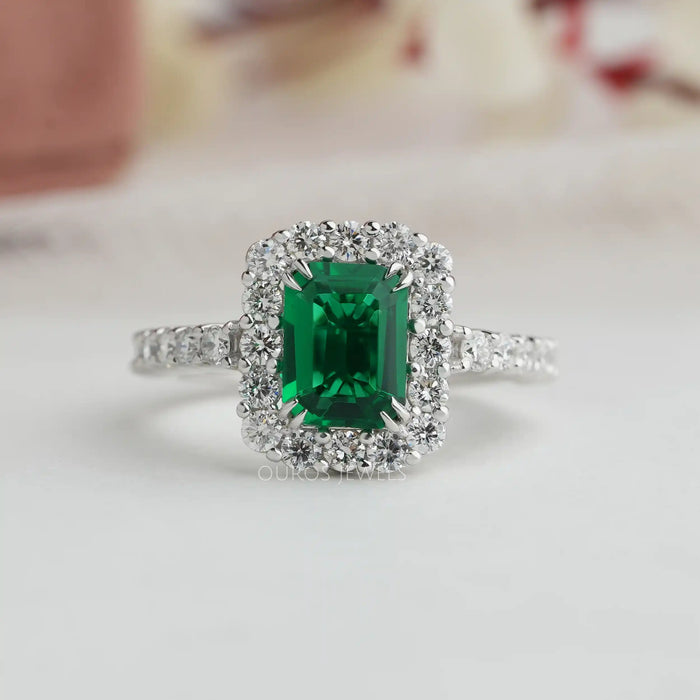
- Emerald Cut: Think old Hollywood glamour. Its long, mirror-like facets create flashes of light rather than sparkle — understated, yet captivating.
- Cushion Cut: Soft, romantic, a little vintage. It’s making a big comeback among couples who want something timeless but not too traditional.
If you want to see how each cut looks and performs in real lighting (and honestly, it’s worth the peek), have a look here: lab grown diamonds cuts. It’s an eye-opener, especially if you’ve ever wondered why some diamonds seem to “shine” more than others.
Why the Cut Matters Even More for Lab Grown Diamonds
Cutting is everything. And with lab grown diamonds, that statement rings even truer.
Because the crystals are created under ideal lab conditions — no inclusions, no unpredictable growth patterns — cutters can pursue levels of precision rarely possible with mined stones. That means better symmetry, sharper facet alignment, and optimal light performance.
It also means the difference between a diamond that simply looks nice and one that completely steals the room.
One jeweller I spoke with put it beautifully:
That pursuit of perfection is exactly what’s driving so many Australians toward lab grown stones. Not just for the ethics or price point — but for the quality.
The Sustainability Side of Sparkle
Let’s be real: a lot of people are drawn to lab grown diamonds because of what isn’t involved.
No mining. No displacement. No heavy machinery scarring the earth.
Lab created diamonds require significantly less energy and water, and they generate a fraction of the environmental impact of traditional diamond extraction. For conscious consumers — especially younger couples — that matters.
But there’s another subtle layer to it. Knowing your diamond was made responsibly adds emotional depth. It’s no longer just a symbol of love — it’s also a statement of values.
The Emotional Pull of Modern Craft
I think this is what fascinates me most about the lab diamond movement: it’s not about losing tradition, it’s about reinventing it.
Every time I’ve spoken to a jeweller who works with lab grown stones, there’s this sense of quiet pride. They’re not just cutting diamonds; they’re reshaping the idea of what a “forever piece” means in today’s world.
There’s craftsmanship, yes — but there’s also conscience. A new kind of beauty that doesn’t come at a hidden cost.
And honestly, when you hold a perfectly cut lab grown diamond up to the light, it’s hard not to feel a little awe.
How to Choose the Right Cut for You
Now, if you’re thinking about buying one (or just curious), here’s something I’ve learned after talking to a few gem experts. The best cut isn’t necessarily the most expensive one — it’s the one that fits you.
A few quick thoughts:
- If you love sparkle and symmetry — go for a Round Brilliant. It’s timeless for a reason.
- If you like a clean, architectural aesthetic — Emerald or Asscher cuts are stunning.
- Want something with a bit of movement and personality? Try Oval or Marquise.
- Romantic, soft, and a little vintage? You can’t go wrong with a Cushion or Pear cut.
Each cut has its own rhythm, its own way of catching light — and that’s what gives your diamond its personality.
The Future of Diamonds Is Changing — Beautifully
There’s a quiet shift happening in the jewellery world right now. It’s less about prestige and more about purpose.
People want to know where their diamonds come from, how they’re made, and what they stand for. And lab grown diamonds — with their blend of ethical production and exceptional quality — are answering that call.
The cut, in many ways, is the final step in that evolution. It’s where technology meets artistry — and where the future starts to shine a little brighter.
So next time you see that sparkle on someone’s hand or in a boutique window, take a closer look. Behind that brilliance might be not a billion-year-old gem, but a modern marvel — crafted with care, precision, and a hint of human ingenuity.
Final Thoughts
As someone who’s seen both sides — the old-world charm of mined diamonds and the fresh, innovative spirit of lab grown ones — I can honestly say the future of fine jewellery feels brighter than ever.
These stones aren’t just symbols of love anymore. They’re reflections of progress, craftsmanship, and choice.
Whether you’re a romantic, a minimalist, or someone who simply appreciates beautiful things done right, lab grown diamond cuts offer something quietly extraordinary — proof that true brilliance doesn’t have to come at a cost.